Diagnostic guide · 2015 JKU
Jeep JK/JKU check engine code P1128: what actually fixed mine
The scanner's own notes pointed at the O2 sensor or a possible EVAP leak. The real fix was three twists of the gas cap.
The fast answer
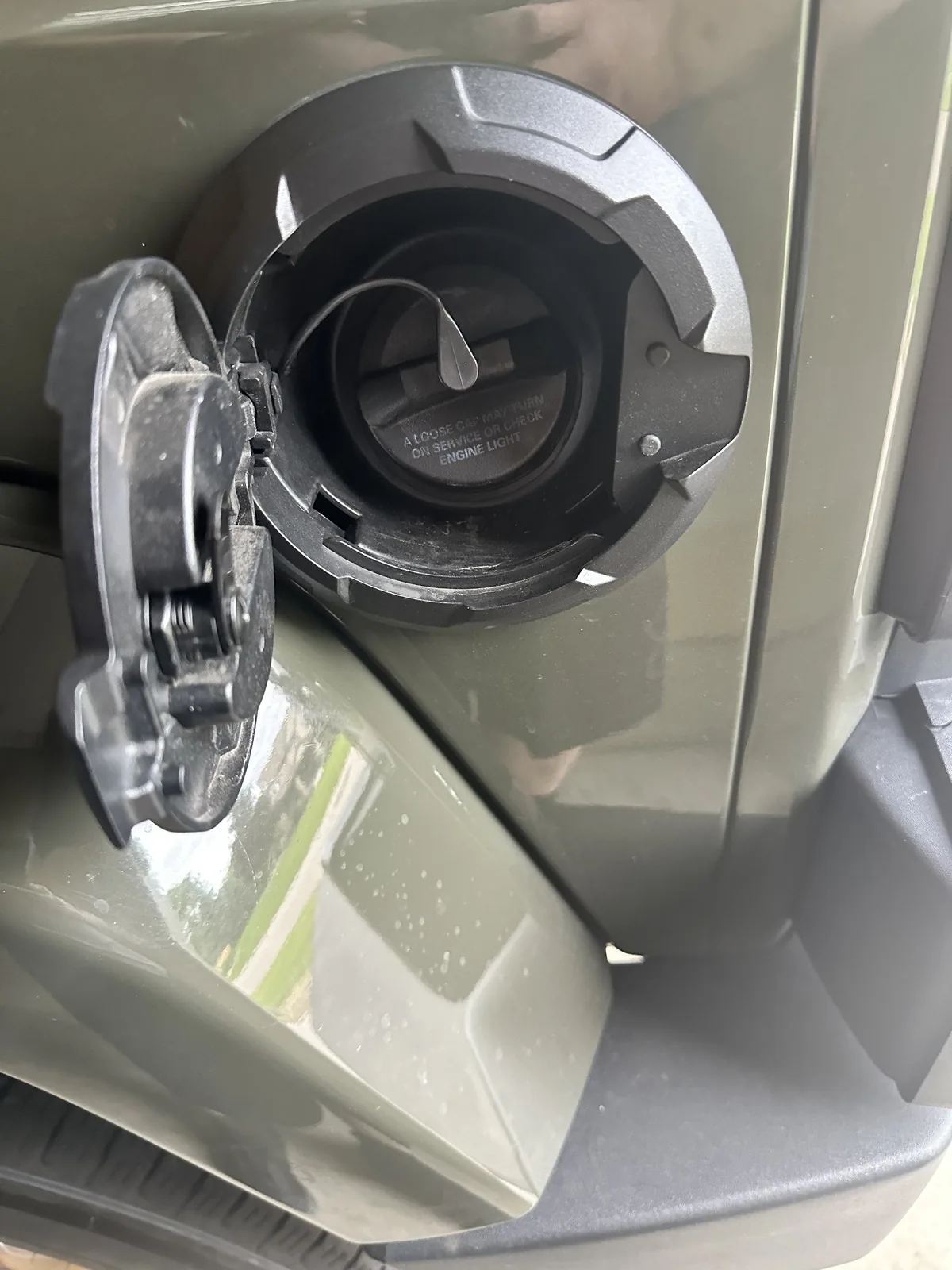
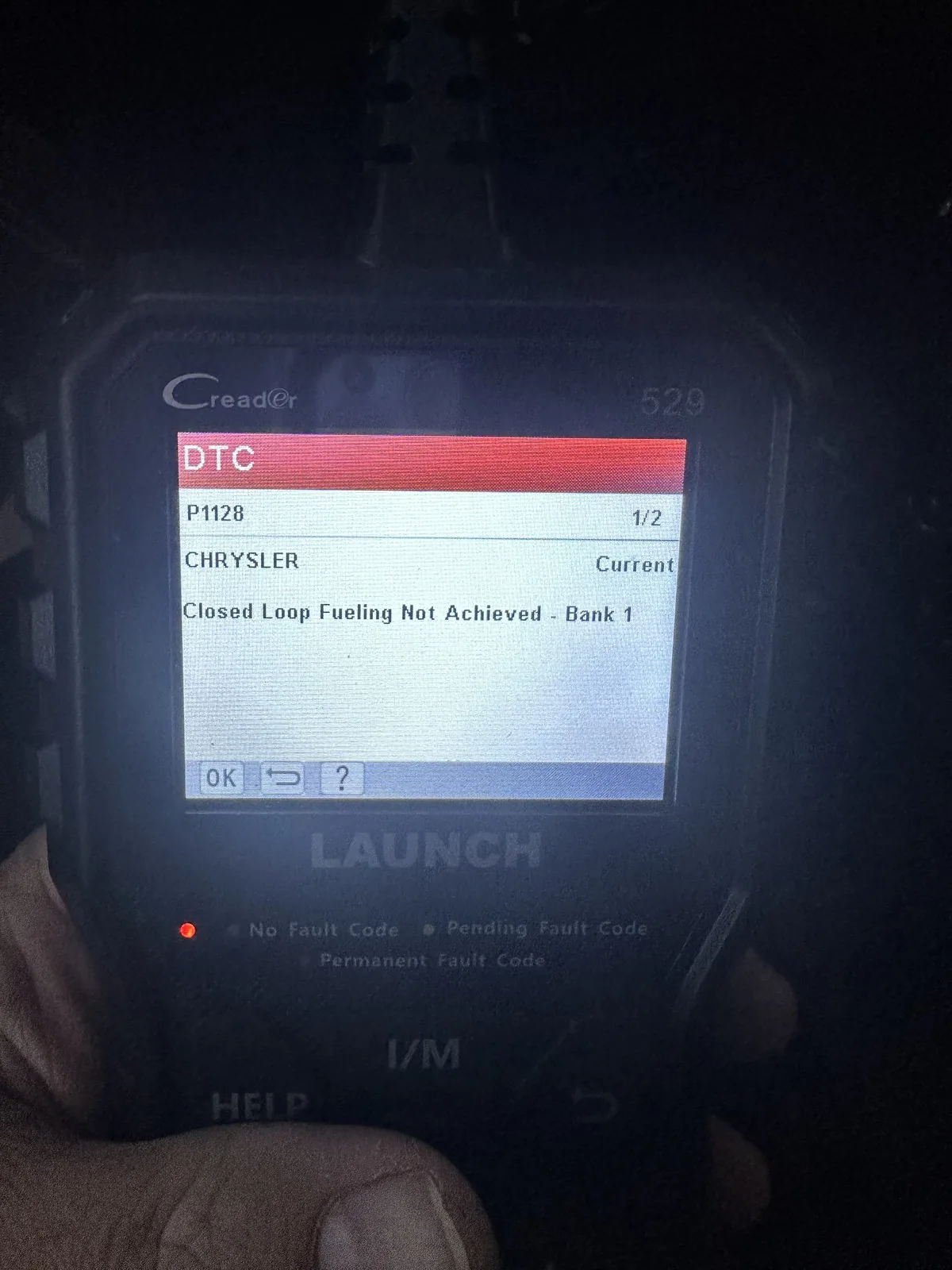
P1128 means Closed Loop Fueling Not Achieved – Bank 1: the engine computer can't get the air/fuel mixture into its normal operating range. Common causes are a loose or failing gas cap, a small EVAP leak, or a failing O2 sensor. Start with the gas cap—it's free and takes ten seconds to check.
Owner evidence
The scan, step by step
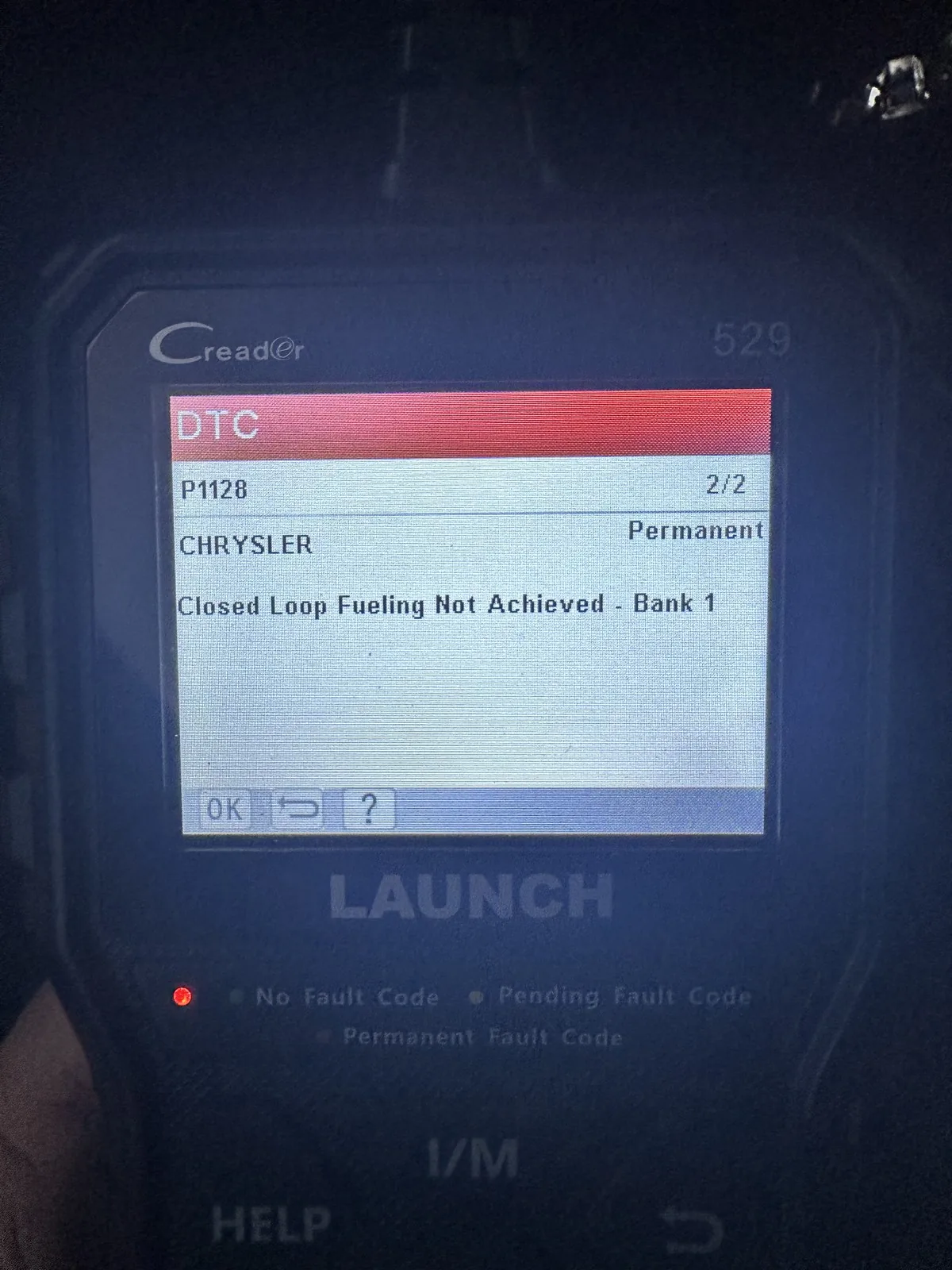
Owner note
The dreaded check engine light
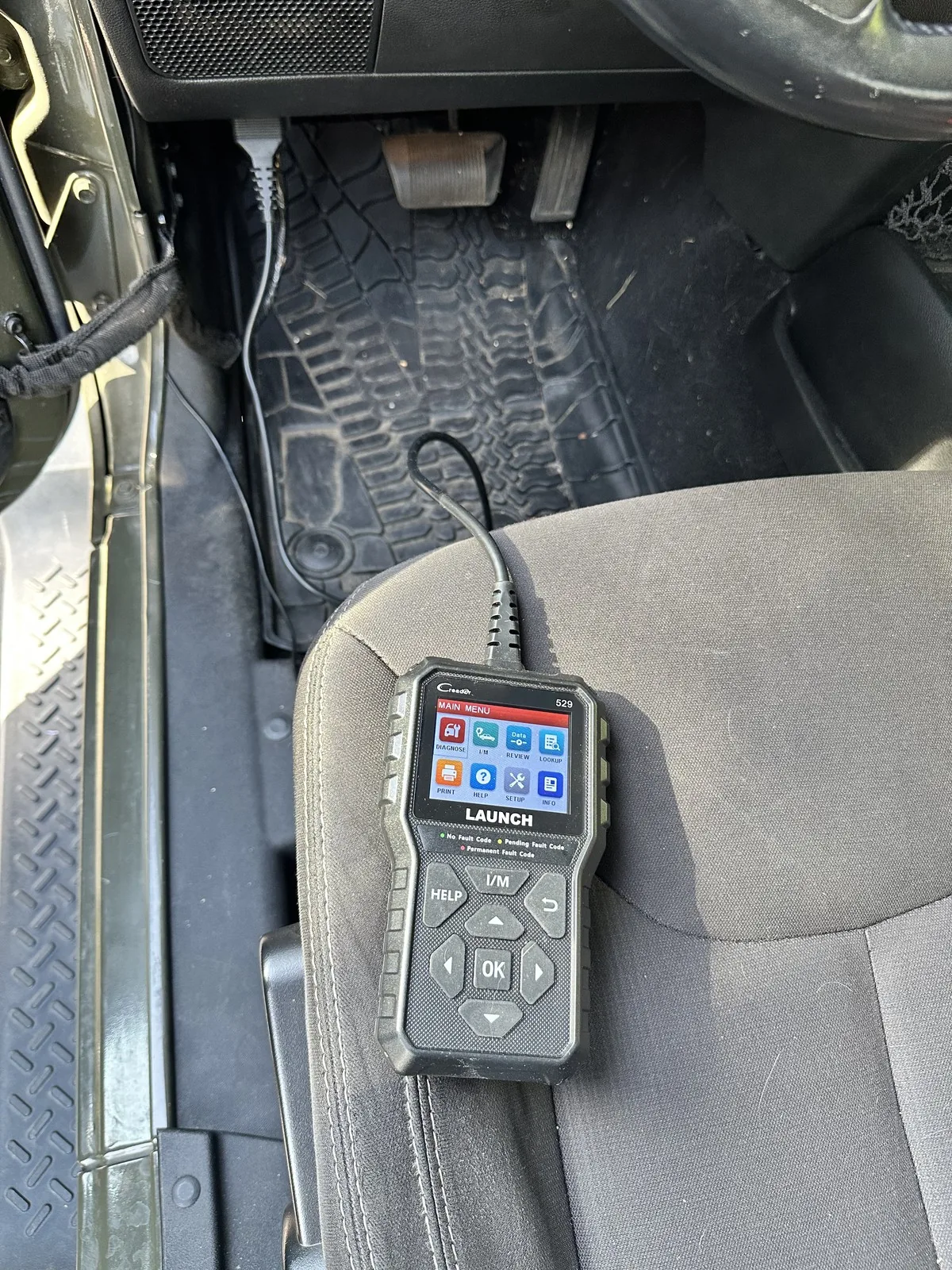
My 2015 JKU's check engine light came on with no other symptoms I could feel from the driver's seat—no rough idle, no smell, nothing obvious. I plugged in my OBD2 scanner and it came back with a current code: P1128, Closed Loop Fueling Not Achieved – Bank 1.
The code, explained
What P1128 actually means
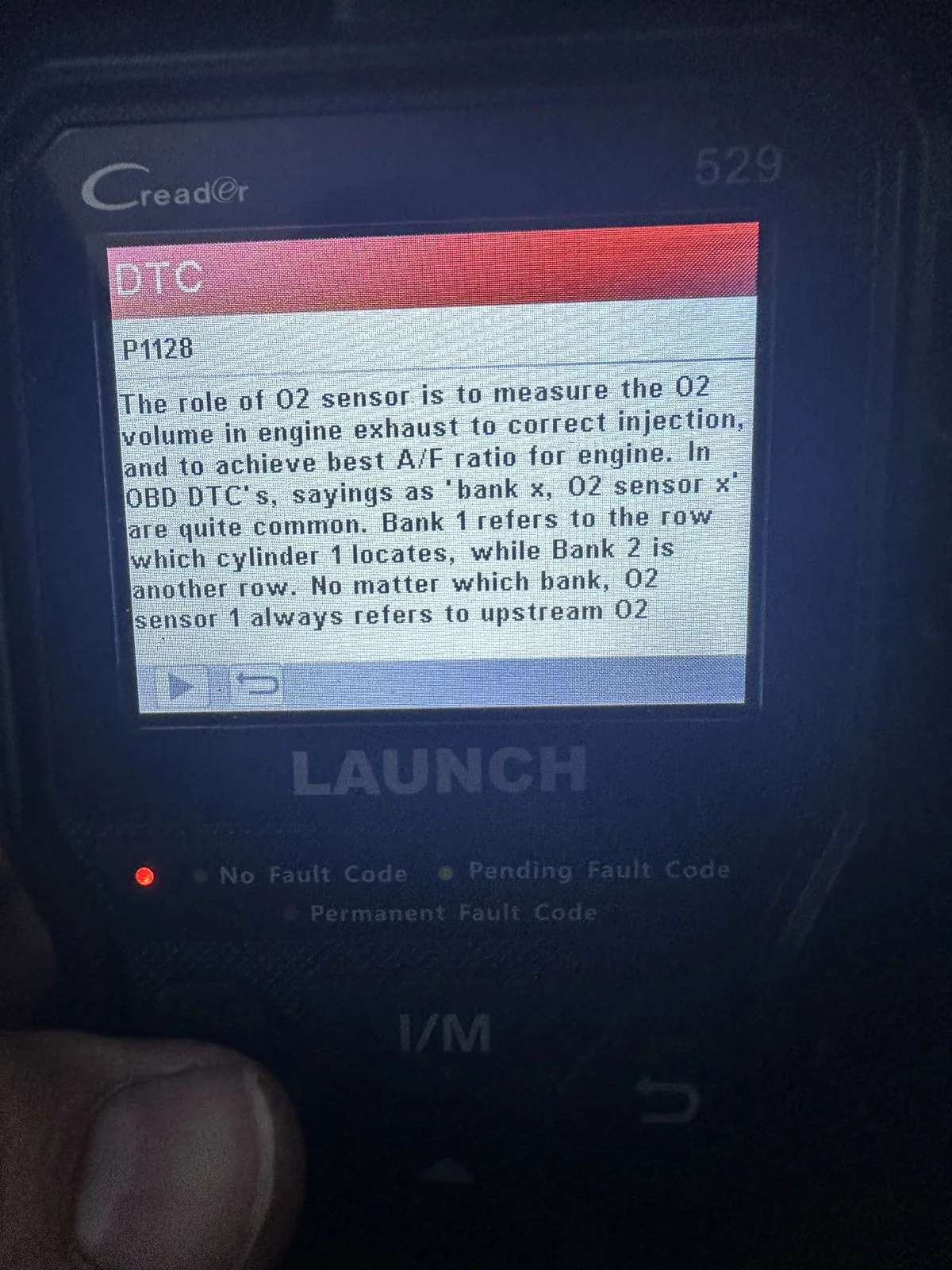
The O2 sensor measures oxygen in the exhaust so the engine computer can correct fuel injection and hit the right air/fuel ratio. "Bank 1" just refers to the side of the engine where cylinder 1 lives. P1128 means the system can't get into its normal closed-loop fueling range—it doesn't tell you why on its own.
The plan
My troubleshooting plan
Before touching anything, I mapped out a Saturday plan: check the gas cap seal and snugness, inspect for small vacuum leaks, test O2 sensor function, and consider fuel pressure if nothing else turned up. I even had a replacement O2 sensor on hand in case that was the answer.
The fix
The gas cap twist
While running errands, I hopped out and gave the gas cap three solid turns to make sure it was actually seated. The check engine light went off almost immediately. I don't know exactly how loose it was—only that snugging it down fixed it.
The honest caveat
This isn't a universal fix
A loose gas cap happened to be my cause. P1128 can also mean a real EVAP leak or a failing O2 sensor, and if the light comes back after snugging the cap, that's the next thing to check—not a reason to ignore it. I'm not a mechanic; this is what worked for me, once, on one Jeep.
Recommended tool
The scanner I used
I picked up this OBD2 scanner specifically because, with two used vehicles, I wanted to read and understand codes myself before deciding whether a repair shop visit was actually necessary.
Final answer
Where I'd start if this happens again
Gas cap first, every time—it costs nothing and takes ten seconds. If the light comes back, that's when I'd move on to the O2 sensor or an EVAP smoke test instead of guessing further.
FAQ
Quick questions
What does P1128 mean?
Closed Loop Fueling Not Achieved – Bank 1. The engine computer can't get the air/fuel mixture into its normal range. It's a symptom code, not a single diagnosis.
Is a loose gas cap really a common cause?
It was mine. A gas cap that isn't fully seated is one of the cheapest, most common things to rule out for several check-engine codes, P1128 included.
What if tightening the cap doesn't fix it?
Then it's worth checking further—an EVAP leak or a failing O2 sensor are the next likely causes. I'd take it to a shop at that point rather than keep guessing.
Is this specific to the JK/JKU, or any Chrysler vehicle?
P1128 is a Chrysler-family code, not JK-specific. It showed up on my 2015 JKU, but the same code can appear on other Chrysler, Jeep, and Dodge vehicles.